

How to Inspect a Classic Car Before Buying
Buying a classic car is an exciting experience, but it’s important to approach the process with careful attention to detail. At Ideal Classic Cars in Venice, FL, we believe that a thorough inspection is one of the most important steps a buyer can take before committing to a purchase. Classic vehicles often have decades of history behind them, and understanding their true condition helps ensure you’re making a smart and confident decision.
Although people admire classic cars for their beauty and heritage, they may also conceal issues that aren’t immediately obvious. A careful inspection allows buyers to evaluate mechanical condition, structural integrity, and authenticity so they know exactly what they’re investing in. By focusing on the right areas, you can better understand the vehicle’s value and avoid unexpected surprises after the purchase.
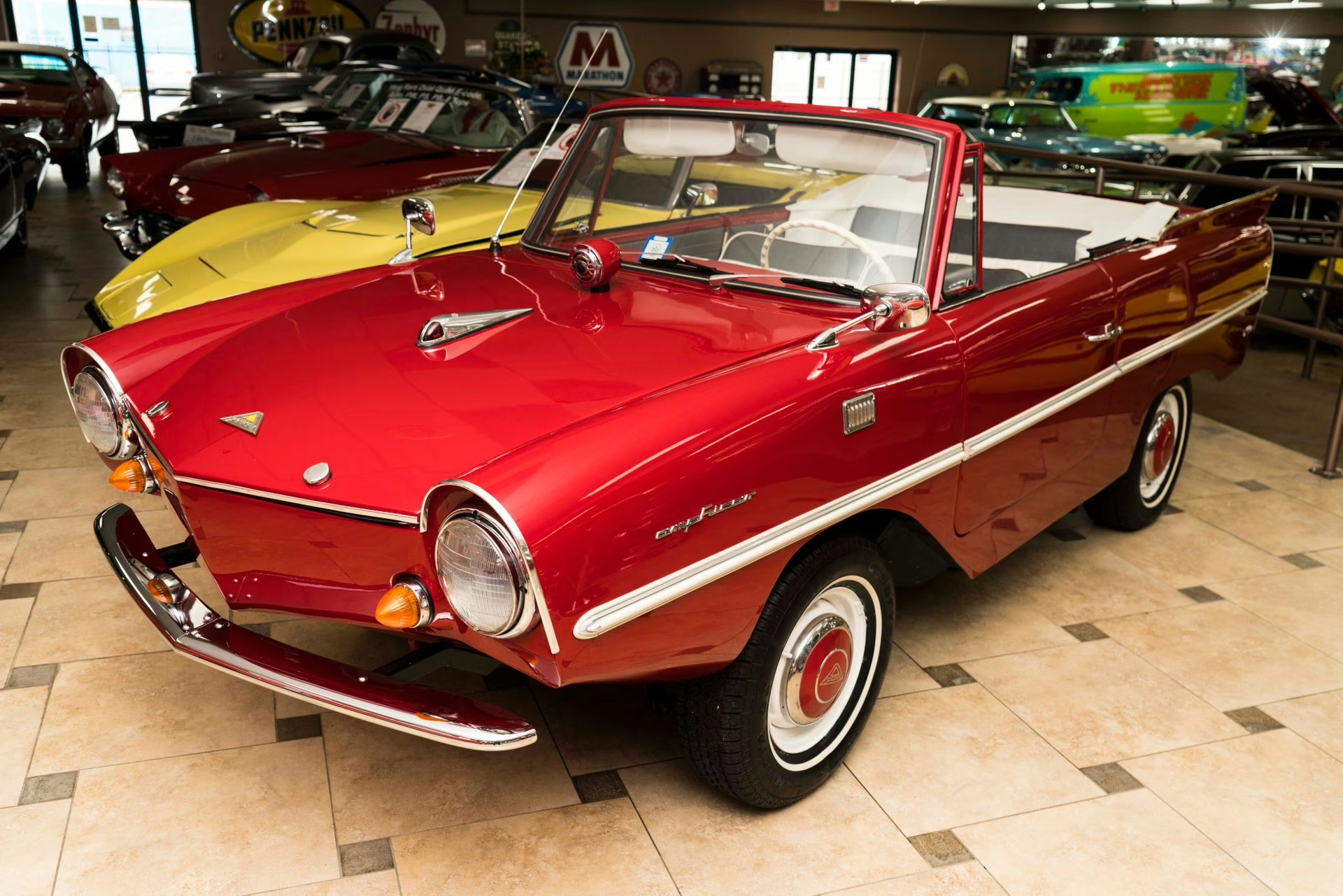
Examine the Body and Structural Condition
The body and frame of a classic car reveal a great deal about its history and overall condition. Rust, previous repairs, or poor restoration work can significantly impact both value and safety. Closely examining the exterior and structural components can help identify potential concerns early.
- Check for rust around wheel wells, door panels, and undercarriage areas
- Look for uneven panel gaps or paint inconsistencies that may indicate prior repairs
- Inspect the frame and structural components for signs of damage or corrosion
- Examine chrome trim, glass, and exterior details for condition and originality
Evaluate the Engine and Mechanical Systems
A classic car’s mechanical health is just as important as its appearance. Even vehicles that look exceptional on the outside may require attention under the hood. Reviewing key mechanical components helps determine whether the vehicle is well-maintained and ready to drive.
- Inspect the engine bay for leaks, worn hoses, or damaged wiring
- Check fluid levels and look for signs of contamination
- Listen for unusual noises during startup and idle
- Test braking performance, steering response, and overall drivability if possible
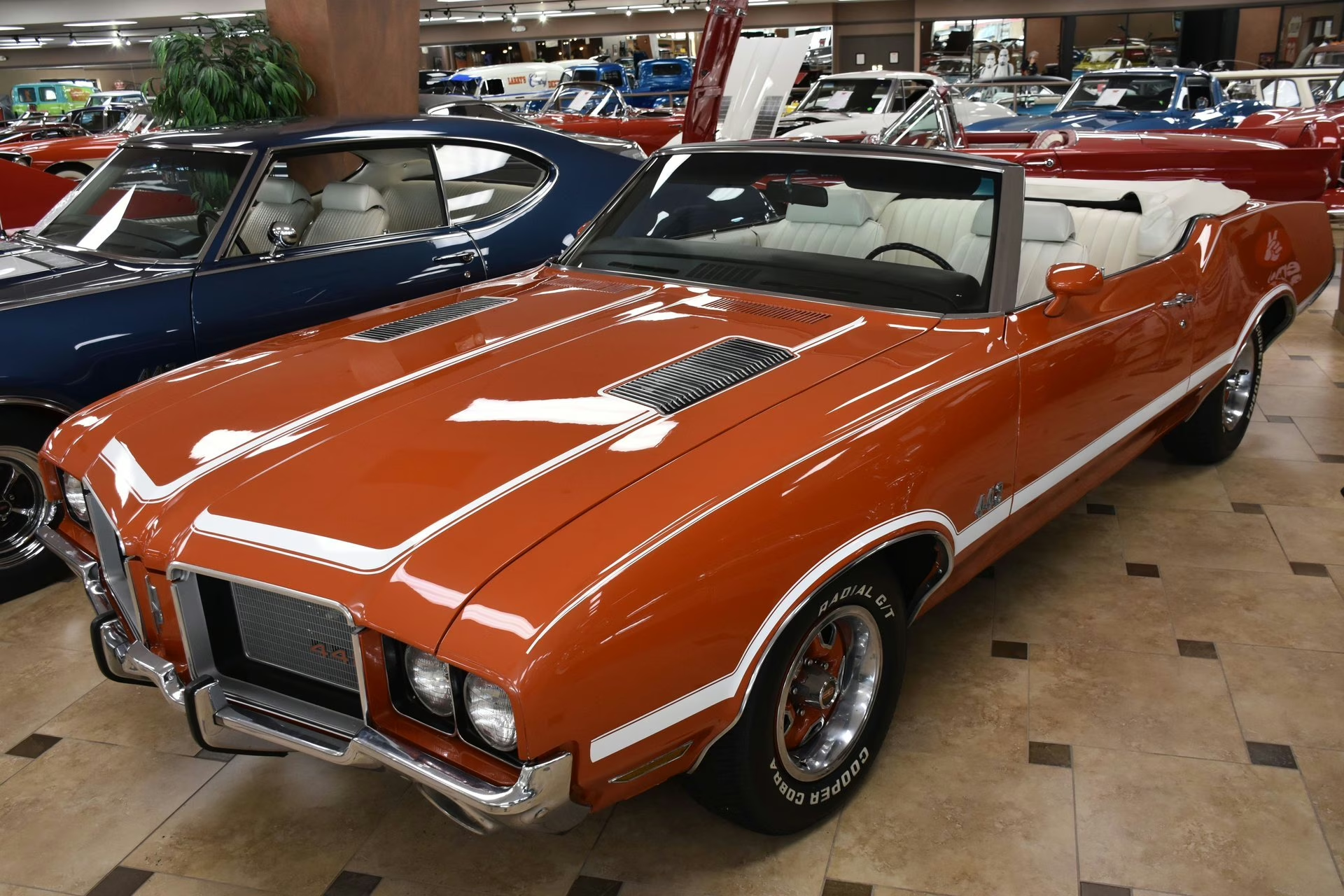
Verify Documentation and Authenticity
Paperwork and identification numbers play a critical role in confirming the legitimacy of a classic car. Matching documentation helps establish ownership history, verify originality, and support the vehicle’s value. Buyers should take the time to confirm that the car’s records align with the vehicle itself.
- Confirm the VIN or chassis number matches the title and registration
- Review service records, restoration receipts, and ownership history
- Check for matching numbers on key components when applicable
- Ensure the title is clear and transferable
Why Buy from Ideal Classic Cars?
At Ideal Classic Cars, we understand how important confidence is when purchasing a classic vehicle. That’s why we carefully evaluate each car before offering it for sale, ensuring our clients receive accurate information about condition, authenticity, and overall quality. Our team is committed to transparency and takes pride in helping buyers understand every aspect of the vehicle they’re considering.
When you work with Ideal Classic Cars, you gain the benefit of experience, knowledge, and a carefully curated inventory of exceptional vehicles. Visit Ideal Classic Cars today to explore our collection and discover how a professional approach to classic car sales can make your buying experience smooth, informed, and rewarding.